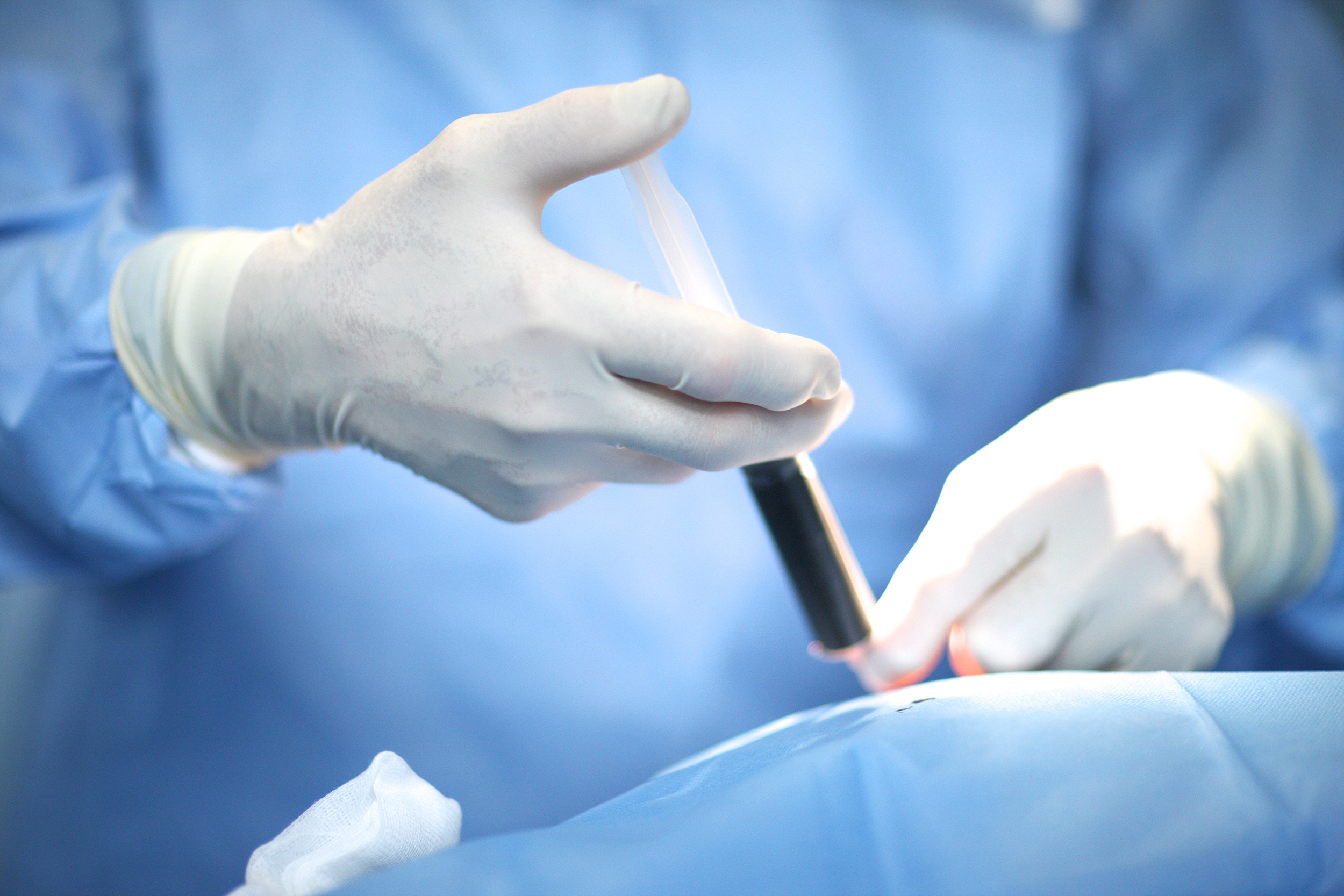
Surgery has a plan. Recovery should too.
Your surgeon gave your procedure every bit of skill and attention it deserved. But once you're home, recovery is largely on you — and most patients are surprised by how little guidance comes with it. Swelling that won't settle. Tightness nobody warned you about. Results that don't quite match what you imagined. That gap is exactly where TheraFlow Health lives. We are the structured, clinical aftercare that turns a good surgery into a great outcome.
A step-by-step recovery plan — starting as early as 48 hours after your procedure. Built around your surgeon's protocol. Focused on your results.
Lymphatic health, chronic illness, oncology support, and pregnancy care. We meet you where you are and build a plan that fits your life.
One therapist. Every visit. 75 minutes. No rotating staff, no rushing, no guessing. Just deeply skilled, personalized care every single time.
Here's exactly what your recovery looks like
Most patients come to us not knowing what comes after surgery. Here it is — a clear, step-by-step plan that supports your body through every stage of healing.
Lymphatic Drainage
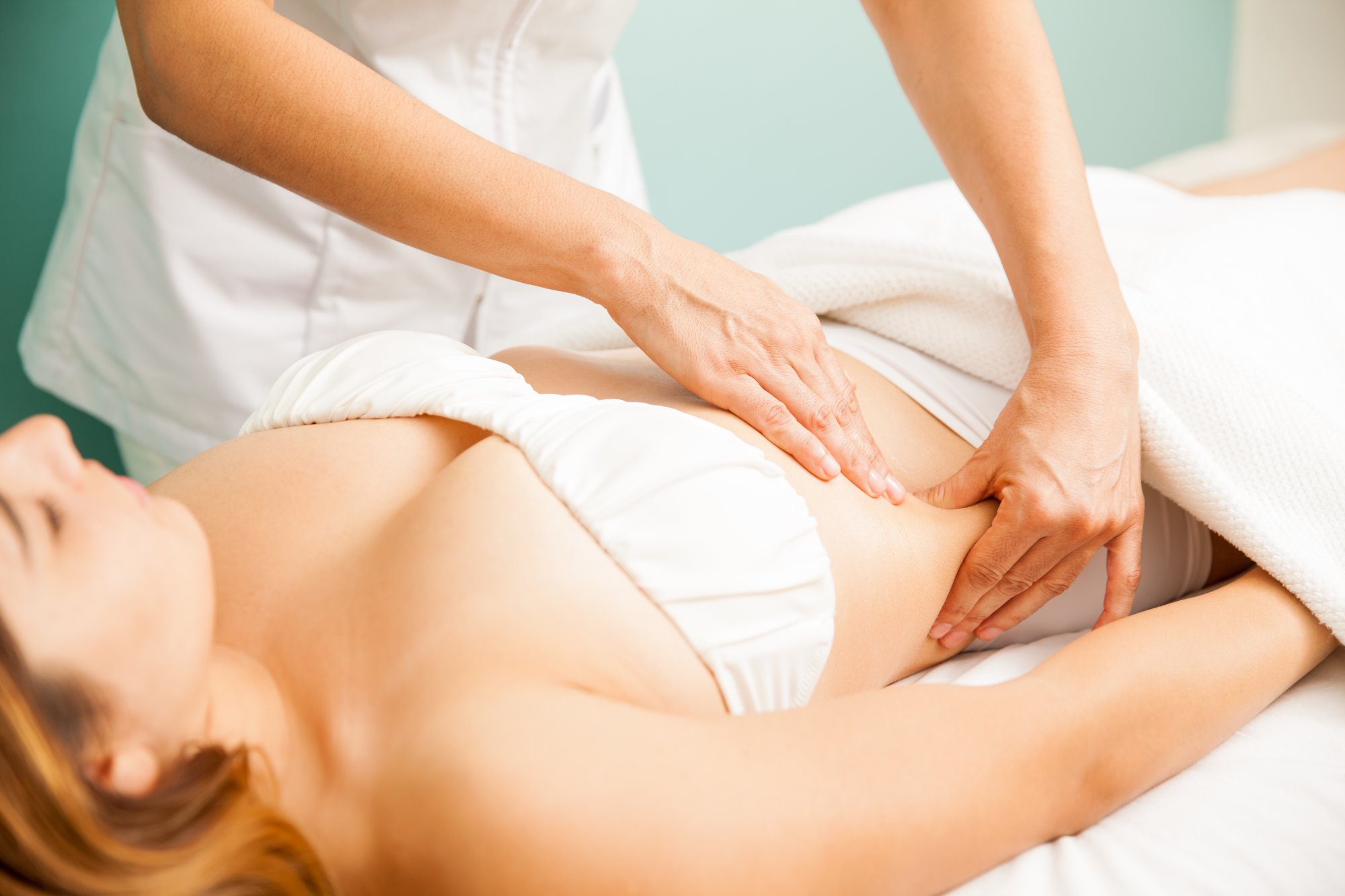
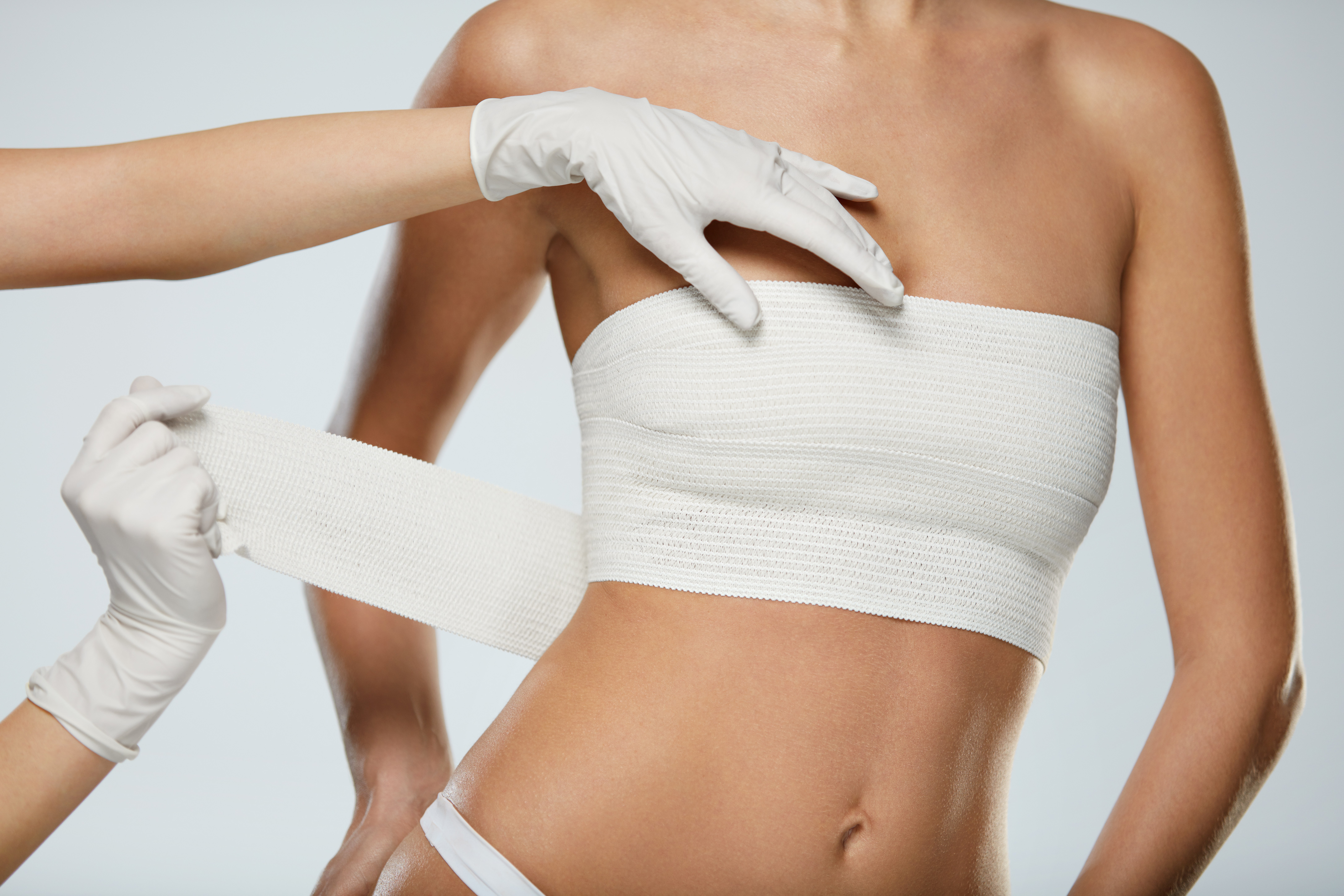
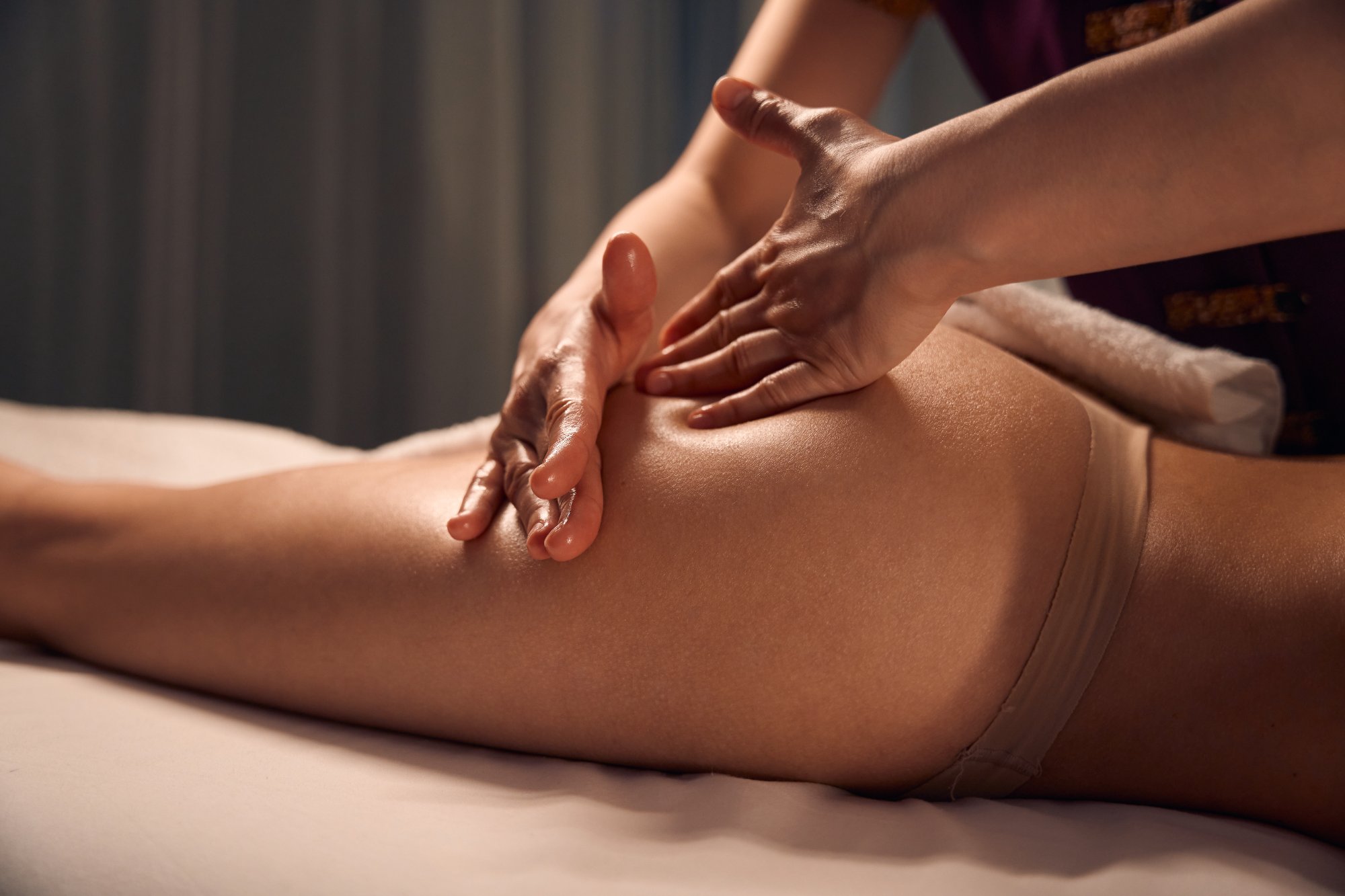
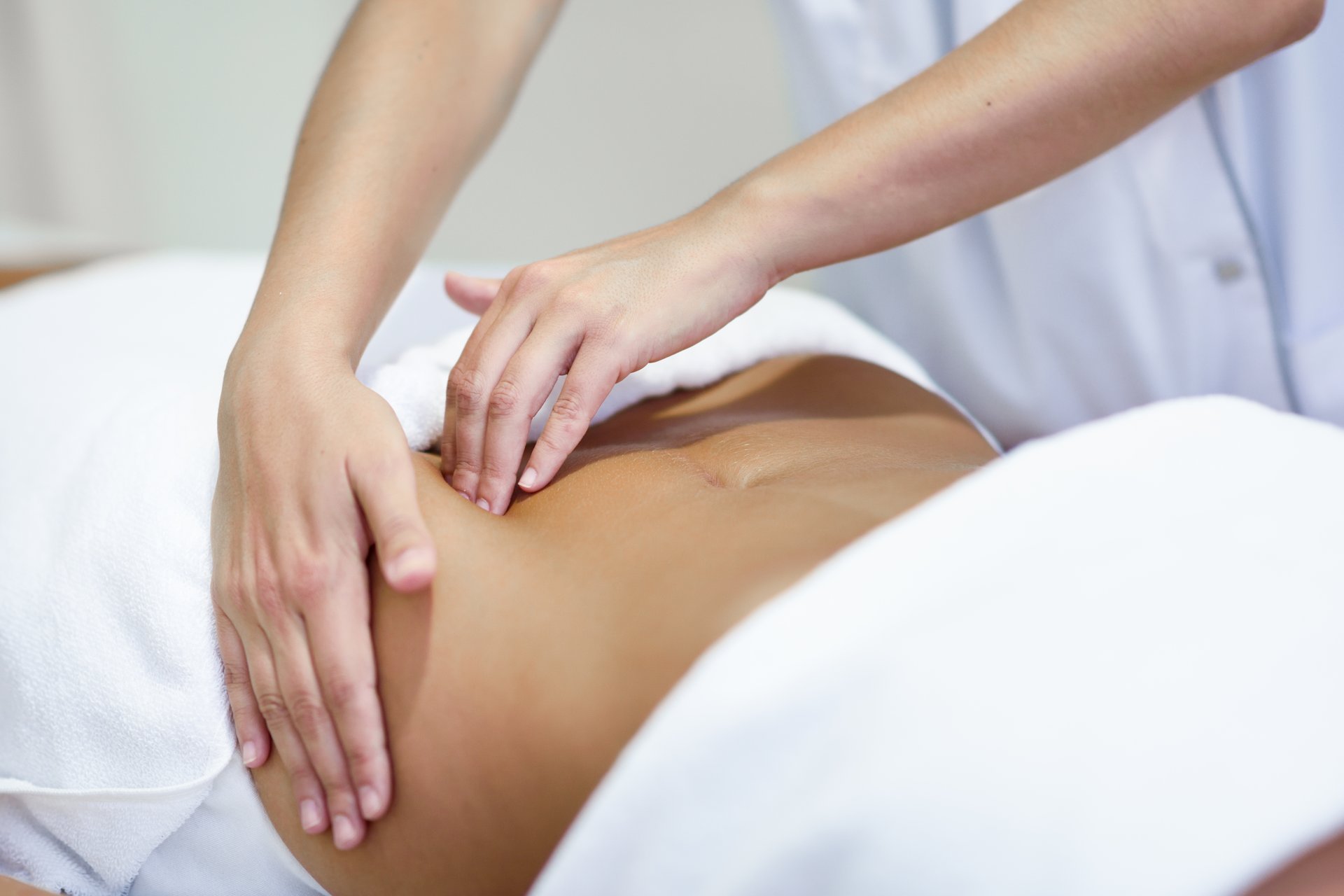
We start moving fluid right away. Swelling goes down faster. Bruising fades sooner. You start feeling like yourself again.
Learn More →Compression Guidance
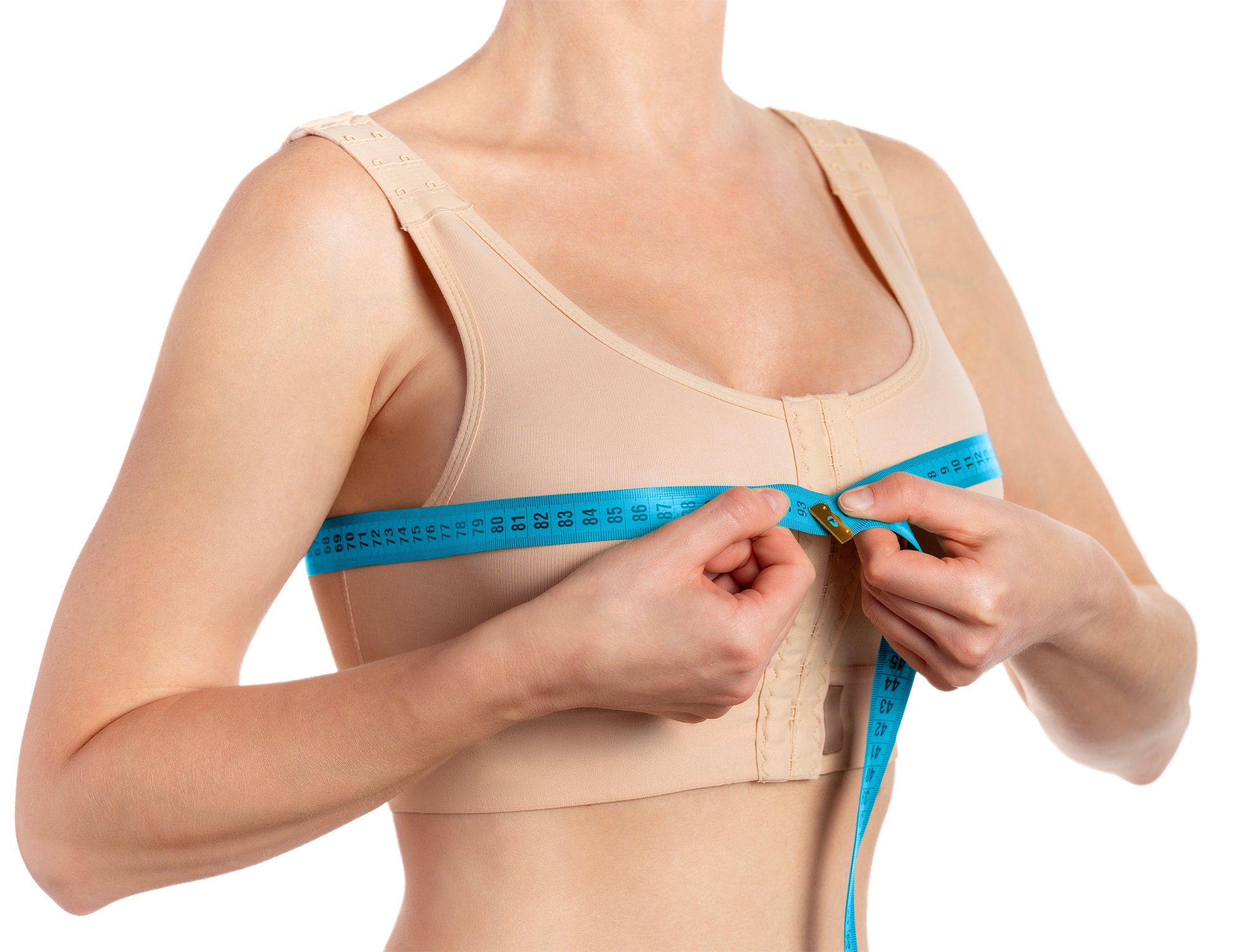
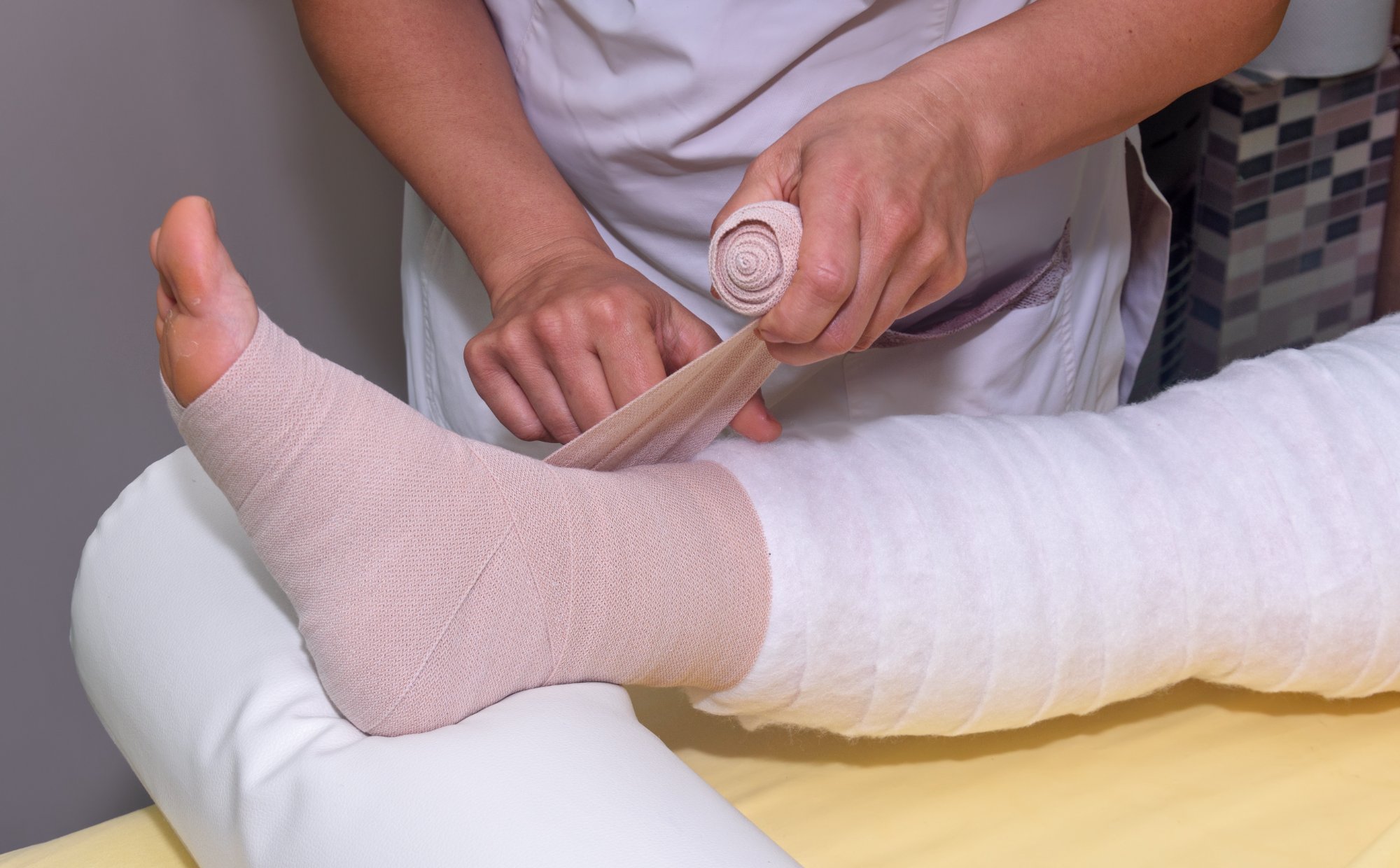
We make sure your garments fit properly and that you know how to wear them. Worn incorrectly, they can slow your results down — not speed them up.
Learn More →Foam Therapy
Strategic foam placement smooths uneven areas and helps protect the shape your surgeon worked so hard to create.
Learn More →Advanced Scar & Tissue Therapy
Hard spots, tight bands, uneven texture. This is advanced work — and it's where good results become great ones. Most patients don't even know it exists until they come to us.
Learn More →Where would you like to start?
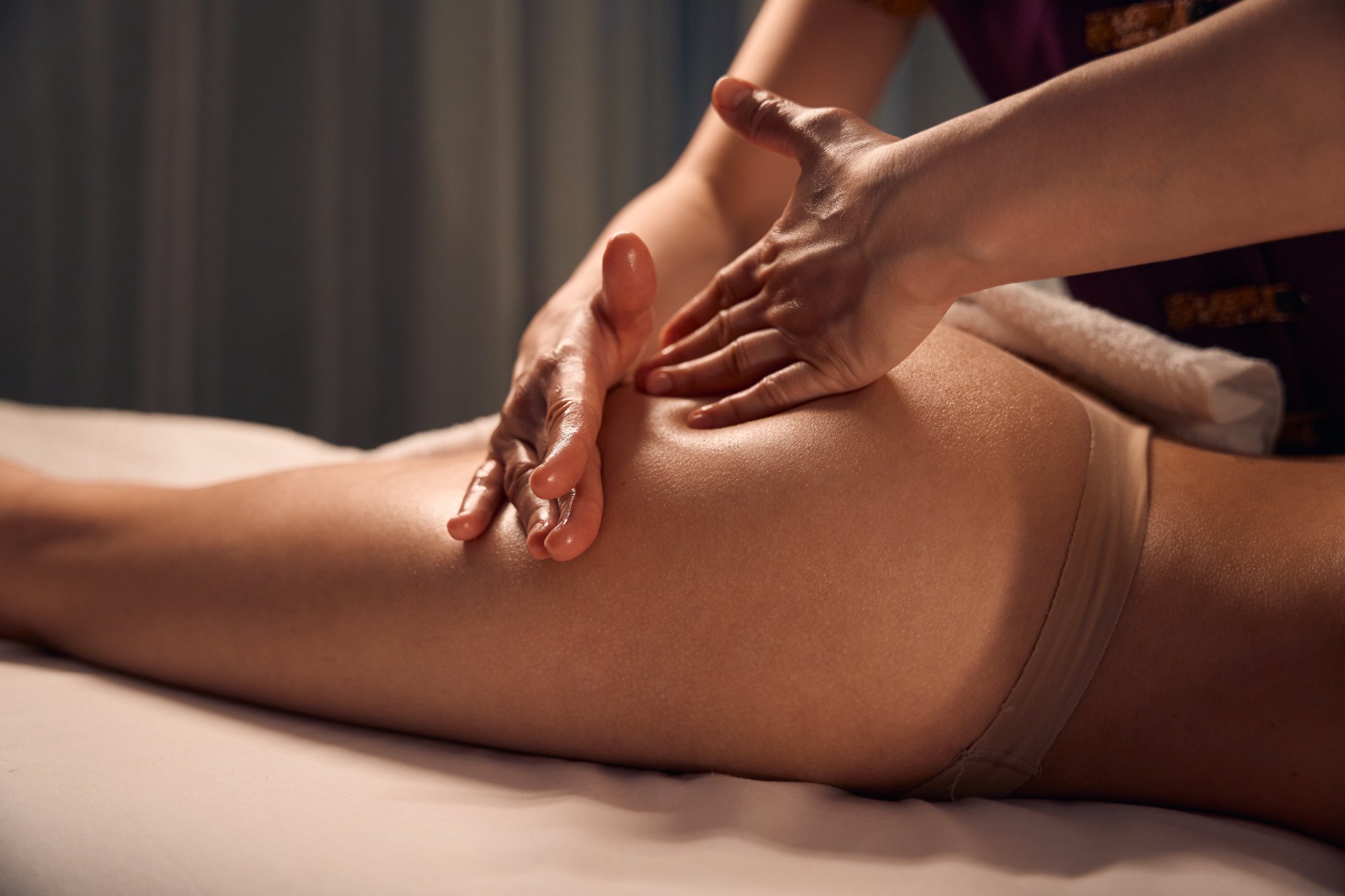
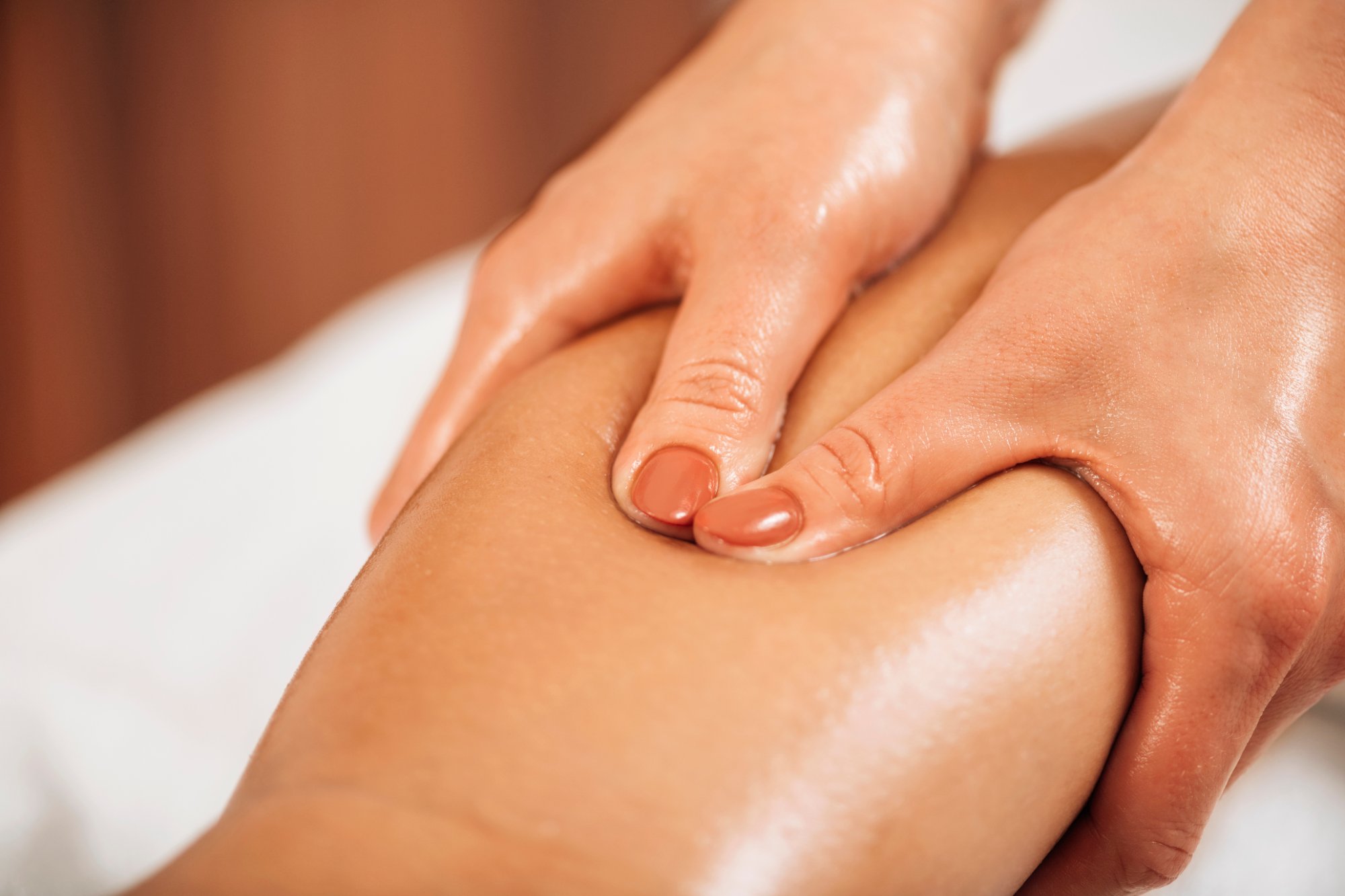
Whatever brings you here, you're in the right place
Surgery recovery is our specialty — but it's not the only thing we do. Tell us what you're dealing with and we'll take it from there.
Surgery Recovery
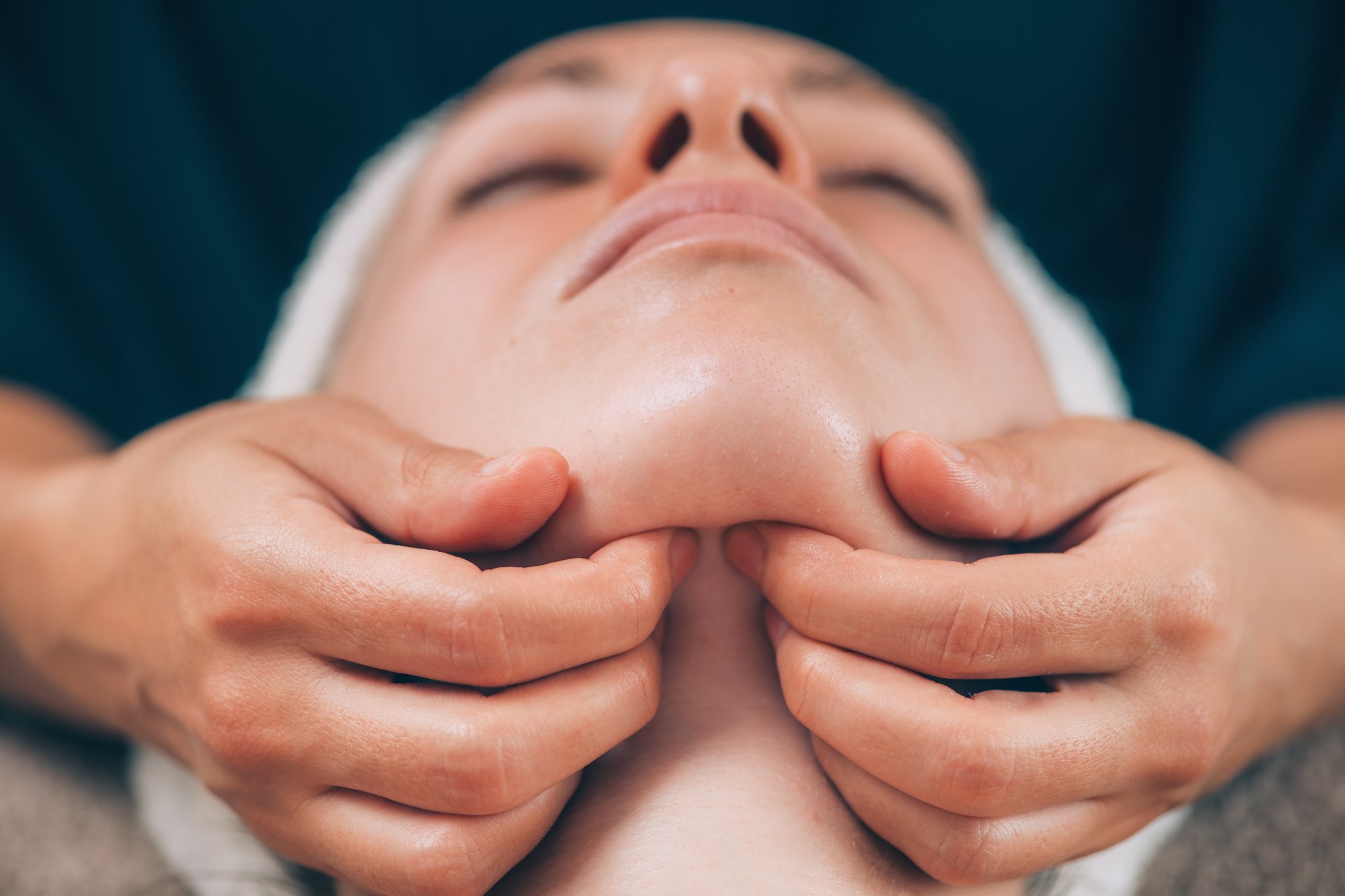
BBL, liposuction, tummy tuck, breast surgery, C-section, face and neck. We pick up where your surgeon left off and see your recovery all the way through.
See your plan →Lipedema & Lymphedema
Lipedema, lymphedema, lipolymphedema — finally getting the clinical care and the straight answers you deserve. No referral required.
Learn more →Lymphedema, Lipedema & Oncology
Secondary lymphedema, lipedema, cancer-related care, palliative support, pregnancy. We meet you exactly where you are — with no rushing and no judgment. Just care that fits your life.
Learn more →Lymphatic Wellness
You don't need a surgery or a diagnosis to benefit from this. Ongoing lymphatic care helps your body stay balanced, your immune system stay strong, and you feel your best.
Learn more →You've been told it's just water weight. It isn't.
Lymphedema and lipedema are real, clinical conditions — and they deserve real, clinical care. If you've spent years being dismissed, misdiagnosed, or handed a pamphlet and sent home, you are not alone. And you are in the right place.
Complete Decongestive Therapy (CDT)
Whether your lymphedema developed after cancer treatment, surgery, or infection — or whether it has been with you your whole life — CDT is the gold-standard treatment. At TheraFlow Health, CDT includes Manual Lymphatic Drainage, compression bandaging, garment fitting and guidance, skin care instruction, and a home management plan you can actually follow.
Eva Tutic is a Certified Lymphedema Therapist (CLT) trained through ACOLS — one of the most rigorous lymphedema certification programs in North America. This is not spa MLD. This is clinical care.
MLD & Compression for Lipedema
Lipedema is not about how much you eat or how little you exercise. It is a connective tissue and fat disorder — and the lymphatic system is directly involved. Regular MLD is one of the most effective conservative treatments available: it reduces the secondary swelling, relieves the pain and heaviness, and improves tissue quality over time.
We also support patients who have undergone lipedema liposuction as part of their post-surgical recovery. Wherever you are in your journey — newly diagnosed, years in, or post-surgery — we will meet you there. 💚
Eva has been on both sides of the table
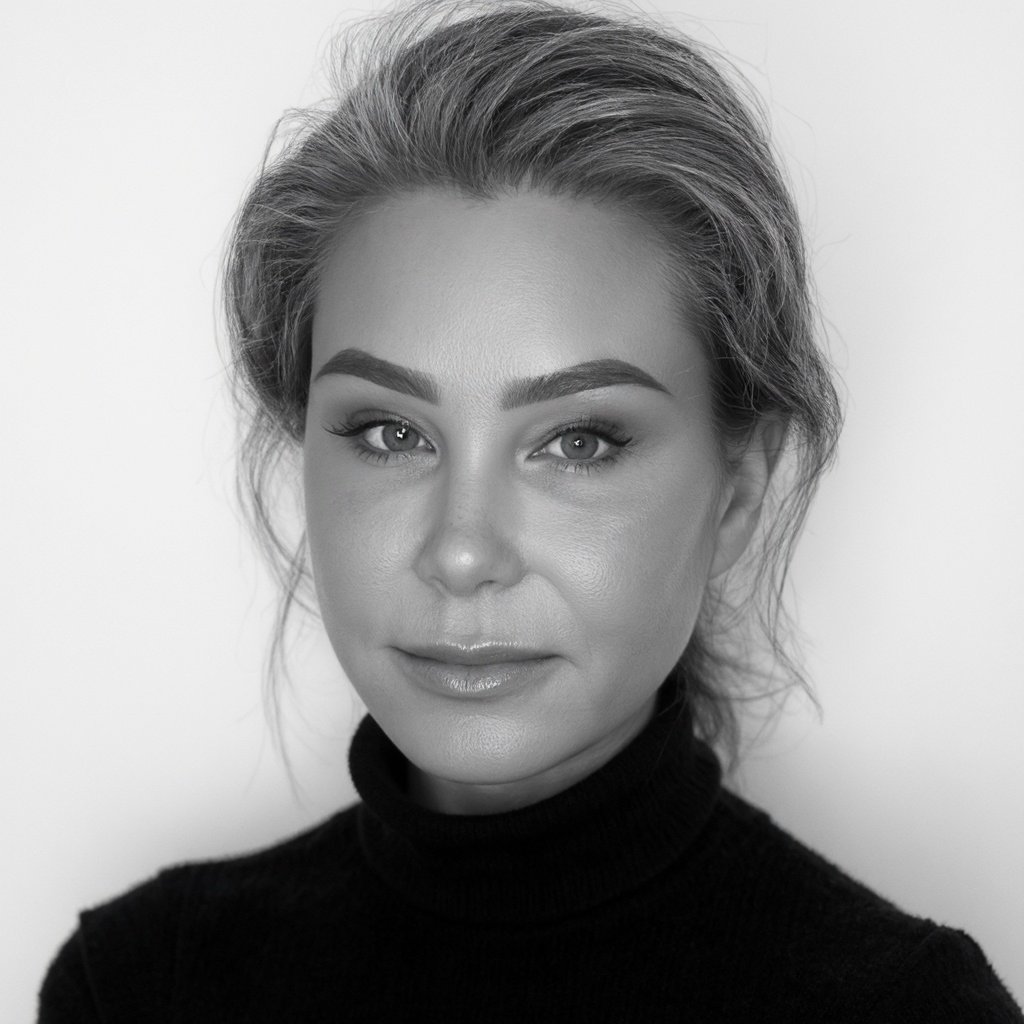
Eva Tutic spent 13+ years working alongside plastic surgeons in surgical recovery. She understands how the process works — and she knows exactly where patients are left without support once they go home.
She has also been a patient herself. That experience lives in every session she gives. She built TheraFlow Health because she saw the gap — and knew she could fill it the right way.
When you come to TheraFlow Health, you are not getting a chain spa or a general wellness practice. You are getting a credentialed clinician who has seen exactly what you are going through — and knows precisely what to do next.
- ✓One therapist, every single visit — Eva, not rotating staff
- ✓75 minutes per session — always. Never shortened, never rushed
- ✓A personalized plan — built around your body, your surgery, your life
- ✓We work with your surgeon's protocol — always, without exception
- ✓Safe to start even with surgical drains still in place
They felt exactly like you do right now
"After my tummy tuck I was so swollen and uncomfortable. After just one session with Eva I felt immediate relief. She explained everything, I knew exactly what was happening, and I felt completely at ease. I wish I had found her sooner."
"I came to Eva after my BBL and lipo. She truly cares — I could feel it. I noticed a huge difference in my swelling and my results. She is in a league of her own and I cannot recommend her enough."
"The most thorough lymphatic therapist I have ever been to. Eva takes her time, explains the process, and genuinely invests in your healing. She does not rush. My results speak for themselves."
Ready to feel like yourself again?
Book your first session online — or call us and we'll help you figure out where to start.
Built on a protocol. Designed around you.
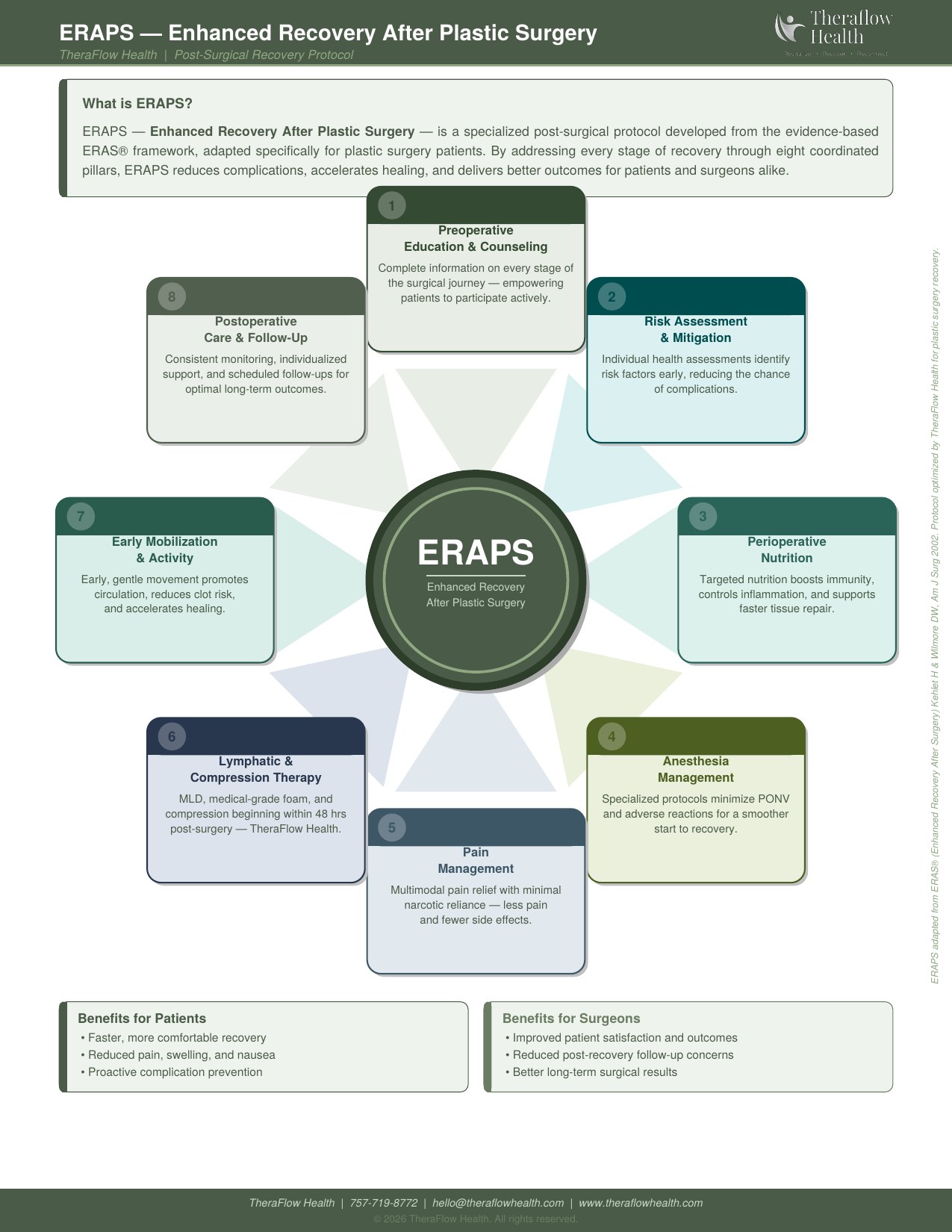
Every session at TheraFlow Health is built on ERAPS — Enhanced Recovery After Plastic Surgery — a structured recovery framework co-created by Eva and a board-certified plastic surgeon. You don't need to know the details to benefit from it. But if you're the kind of person who likes to understand the thinking behind your care, here it is.
@theraflowhealth on Instagram
Recovery tips, real talk, and behind-the-scenes from Virginia Beach's boutique lymphatic practice.
Recovery tips you can actually use
Plain language guidance for patients and caregivers. No fluff, no spam — ever.